Fighting Criminalization of Indigenous Land Defenders in Perú: Mascho Piro People and FENAMAD
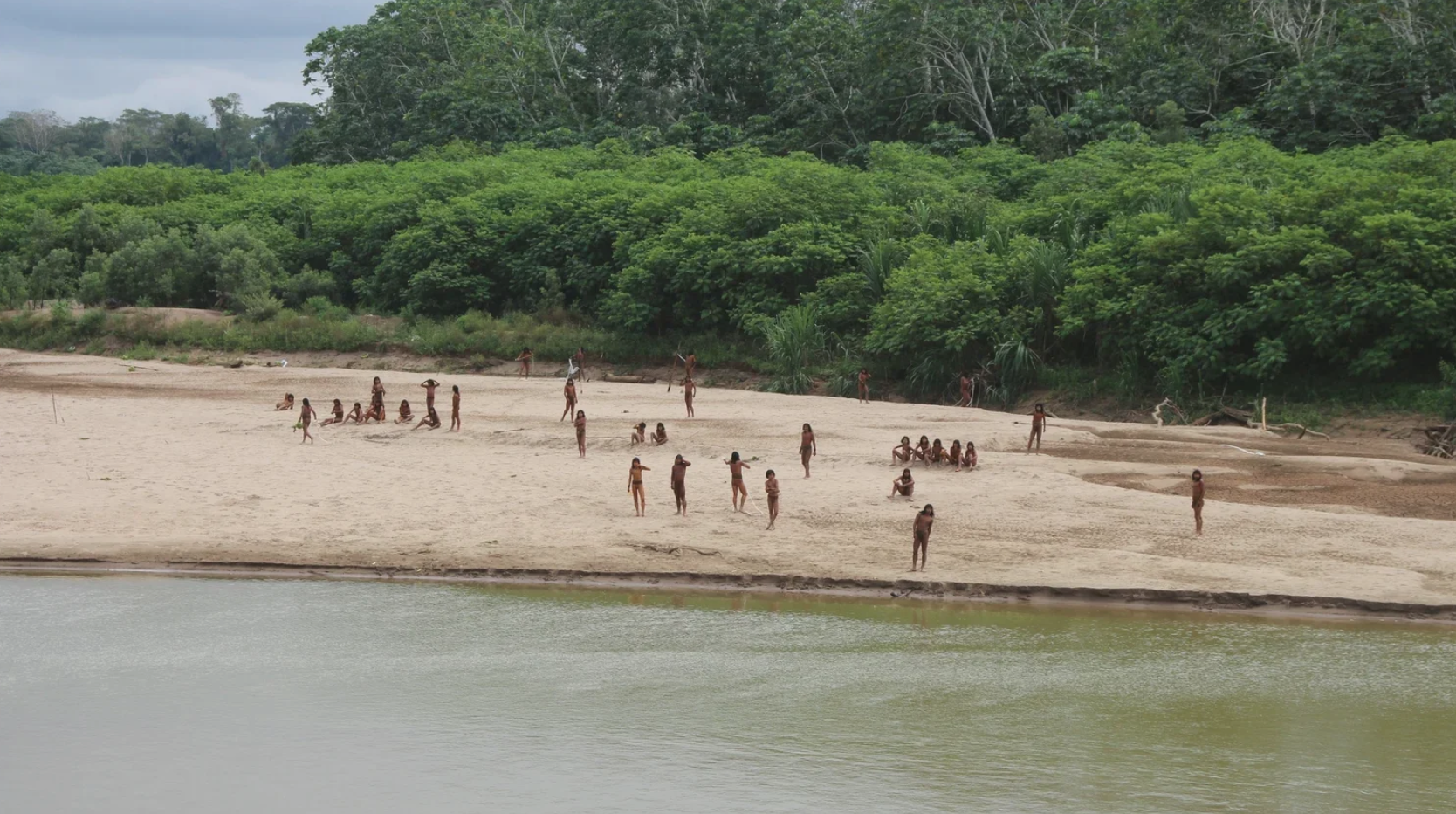
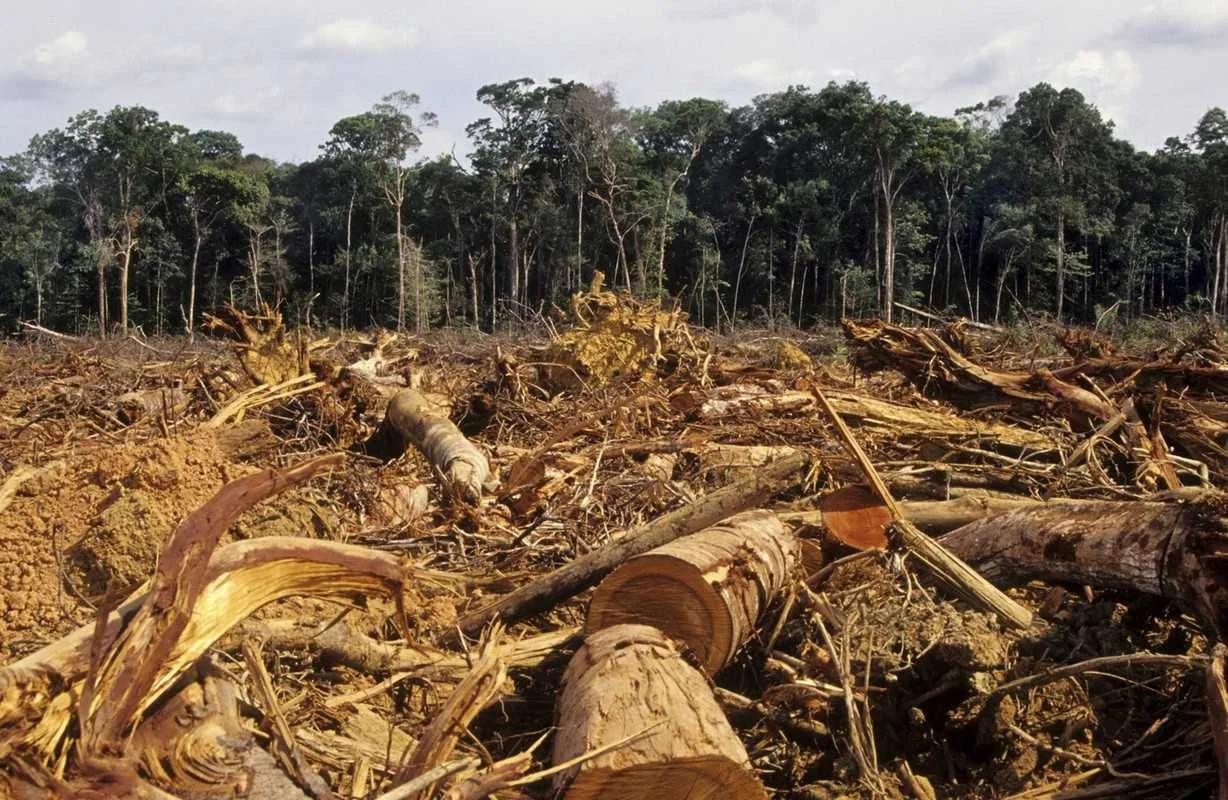
Contribution to University Network for Human Rights brief for the Constitutional and Social Sector of the Supreme Court of PerúSummaryThe Native Federation of the Madre de Dios River and Affluents (FENAMAD) is an Indigenous-led organization working to promote the rights of Indigenous peoples in the Madre de Dios River basin, Peru, including the rights of isolated and newly contacted Indigenous peoples, such a the Mashco Piro. FENAMAD has made various efforts at the national and international levels to protect their rights, primarily focused on protecting their territory from deforestation activities that threaten their livelihoods. FENAMAD took an active role opposing ongoing deforestation by Canales Tahuamanu S. A. C., a logging company operating in Mashco Piro territory. The company then targeted FENAMAD with a defamation case.
To support FENAMAD’s defense, the University Network for Human Rights (UNHR) prepared an amicus curiae brief. As a student in Dr. James Cavallaro’s Human Rights in the Inter-American System clinical course at the Yale Jackson School of Global Affairs, Ky contributed research into the special situation of risk faced by Indigenous peoples in isolation, including the Mashco Piro, as well as violence and criminalization of Indigenous people who defend the territory and the environment.
Legal experts from UNHR presented the main arguments before the Supreme Court of Perú on May 30th, 2025.
On July 21, 2025, the Supreme Court of Peru issued a ruling in favor of FENAMAD and its former president, Julio Cusurichi Palacios. Palacios was criminalized for his efforts defending the Mashco Piro Indigenous People and their territories. Several of the arguments cited by the Court are consistent with those presented in the amicus curiae submitted by UNHR and the Red de Juristas Unidos en Red Interamericana – Transamerican Advocate and Scholars Network (JURISTAS Network).
Read more on the University Network for Human Rights website here.
Review the full amicus here.